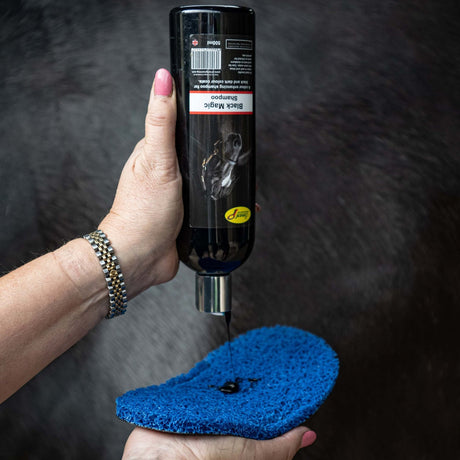
Hot clothing is your secret weapon this winter when clipping! It is an incredibly effective way to achieve a cleaner coat, healthier skin and a beautiful natural shine.
More than just a cosmetic finish, proper coat preparation can also save you money in the long run. Removing dirt and grease before clipping allows your clippers to glide smoothly through the coat, reducing strain on your blades and helping them stay sharper for longer. Taking time to hot cloth before and after clipping is a smart investment for any horse owner.
So what exactly is hot clothing, and why should it be part of your routine?
The Benefits of Hot Clothing
Hot clothing offers a wide range of benefits for your horse’s coat and skin, both before and after clipping:
- Lifts dirt and grease The combination of warmth and moisture helps loosen grease, sweat and ingrained dirt trapped in the coat, leaving it cleaner and healthier.
- Enhances coat shine Regular hot clothing brings out a natural gloss, enhances colour and markings, and helps highlight dapples — ideal for show preparation.
- Soothes sensitive skin After clipping, a horse’s skin can feel tender. Hot clothing gently cleanses the skin and helps calm irritation.
- Improves clipping results A clean, grease-free coat allows for a smoother, more even clip with fewer lines and less blade drag.
- Extends blade life Clipping through dirt and grease dulls blades quickly. Hot clothing removes the worst of the grime, helping you get more clips per blade and saving on sharpening costs.
When Should You Hot Cloth Your Horse?
Pre-Clipping Preparation
Ideally, horses should be bathed before clipping, but this isn’t always practical — especially during colder months. If bathing isn’t an option, a thorough groom followed by hot clothing is the next best thing.
Hot clothing daily for a few days before clipping helps lift excess grease from the coat, resulting in a cleaner, smoother clip. A well-prepared coat reduces blade drag, improves finish quality and lowers the risk of blades becoming dull mid-clip.
Post-Clipping Care
Hot clothing can also be done after clipping. It removes loose clipped hairs and any remaining clipper oil while soothing the skin and relaxing muscles.
General Grooming
Even when clipping isn’t involved, hot clothing is an excellent addition to your regular grooming routine. It helps maintain coat condition, boosts shine and enhances dapples — perfect before competitions or shows.
How to Hot Cloth Your Horse
Hot clothing may sound complicated, but it’s surprisingly simple. You’ll need:
- Two clean buckets
- Hand-hot water
- A clean microfibre, flannel or suede cloth
- Coat oil or a no-rinse wash of your choice
Step-by-Step Guide
- Groom thoroughly: Start by removing as much dirt, mud and dust as possible using a curry comb and brushes.
- Prepare the buckets: Fill both buckets with hot water (as hot as you can comfortably place your hands in). Add a small amount of coat oil or no-rinse wash to one bucket, following the product instructions.
- Soak and wring the cloth: Dip the cloth into the bucket with the oil or wash, then wring it out until it is damp but not dripping.
- Apply the hot cloth: Rub the cloth over your horse’s neck and body using circular motions to lift dirt and grease from the coat.
- Rinse and repeat: Rinse the cloth regularly in the plain hot water to remove dirt, then return it to the oiled water before continuing. This prevents dirt being re-deposited onto the coat.
- Focus on problem areas: Pay extra attention to areas such as the rump, where grease and dirt tend to build up.
When Should You Avoid Hot Clothing?
Hot clothing isn’t suitable in every situation. Avoid hot clothing if:
- Your horse is unwell
- They have skin conditions that could worsen with heat or certain products
- There are open wounds or broken skin
- Your horse is already hot or sweaty
- Weather temperatures are very high